Why an ATM Can Help North Dakota Small Businesses Turn More Walk-In Traffic Into Sales
- December 24, 2025
- admin
- 2:40 pm

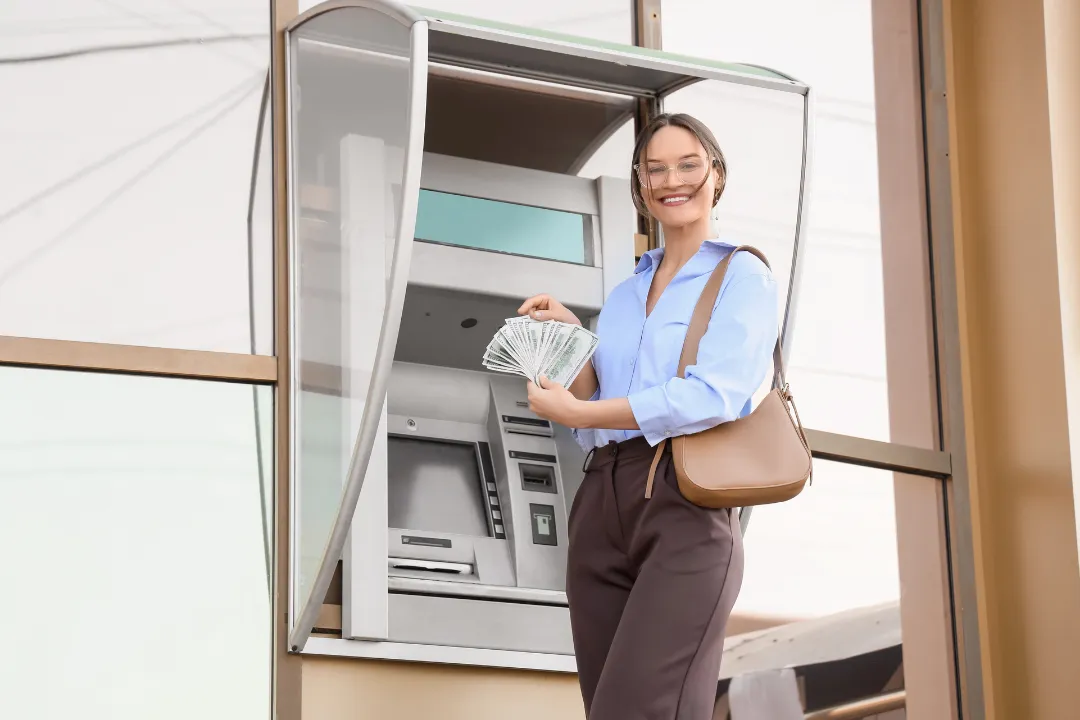
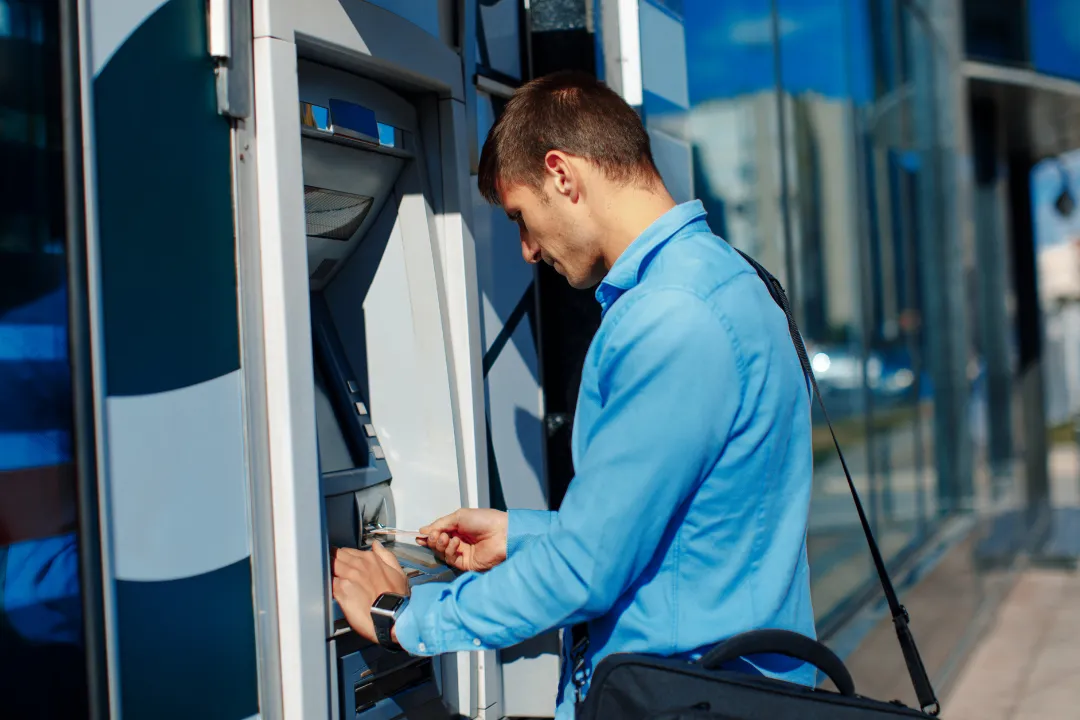
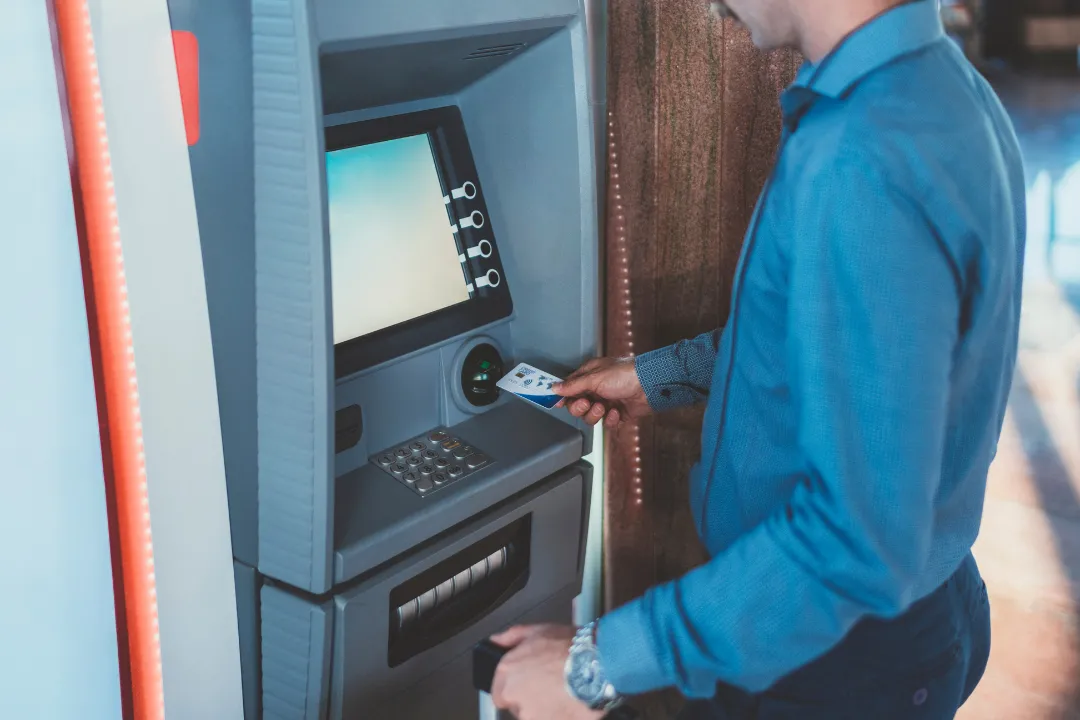
Impulse buying often happens in the moment, and that is exactly why convenience matters. When customers are already inside a business and ready to buy, even small friction points can reduce the chance of a completed sale. One of the most common friction points is limited access to cash. An ATM can help solve that problem by giving customers a fast way to withdraw money without leaving the location. For small businesses in North Dakota, that can be especially useful in convenience stores, bars, restaurants, retail shops, lodging properties, travel-serving locations, and event-related businesses where a large share of purchases can happen quickly and informally. North Dakota also welcomed 26.3 million visitors in 2024, with more than $3.4 billion in visitor spending, showing how much customer activity moves through the state in sectors where spontaneous purchases still matter. Businesses in Fargo, Bismarck, Grand Forks, Minot, West Fargo, Williston, Dickinson, Mandan, and Jamestown can all benefit from thinking about the ATM not only as a cash machine, but as a tool that supports real buying behavior.
An ATM Helps Customers Buy Now Instead of Leaving to Look for Cash Somewhere Else
Impulse buying depends on timing. A customer who is ready to spend right now is much more valuable than one who may come back later, because in many cases later never comes. That is one of the main reasons ATMs can support spontaneous spending in small businesses. If a customer sees something they want, decides to order more food or drinks, wants to purchase merchandise, or needs cash for a quick decision, an on-site ATM can make that easier. Without one, the customer may need to leave the business to search for cash elsewhere, and once that happens the original sale may be delayed, reduced, or lost. In North Dakota, this can be particularly relevant in businesses that rely on fast customer movement and immediate decisions, such as bars in Fargo, convenience stores in Bismarck, event vendors in Minot, or hospitality-linked businesses in Grand Forks and surrounding areas.
This matters even more in North Dakota because the business environment is shaped by both local customers and visitors moving through the state. Fargo is the largest city and a major commercial center, while Bismarck, Grand Forks, and Minot are also important urban and regional hubs. On top of that, North Dakota tourism supports spending across lodging, food and beverage, retail, recreation, and transportation. When a business serves both regular local traffic and short-term visitors, the ability to capture in-the-moment purchases becomes even more important. A customer who is unfamiliar with the area may be less likely to leave the site and return later, so an ATM can help turn that brief buying opportunity into a completed transaction. In that way, the ATM supports impulse buying not by forcing customers to spend, but by making spontaneous purchases easier to complete when the intent already exists.
Quick Access to Cash Can Increase Small-Ticket and Add-On Purchases
Another way ATMs encourage impulse buying is by helping customers say yes to smaller, unplanned purchases they may not have made otherwise. A customer might come in with one purchase in mind and then decide to add drinks, snacks, merchandise, tips, souvenirs, admission-related spending, or another low-cost item once cash is available. Small-ticket purchases are often the kind most influenced by convenience because customers do not usually want to leave, search for another payment solution, and come back just to complete them. In North Dakota small businesses, this can apply in many settings, including retail counters, food and beverage locations, entertainment spots, and community event environments. These are exactly the types of businesses where impulse buying can add up over time, even if each individual purchase is relatively modest.
North Dakota’s current visitor spending data helps explain why this matters. In 2024, visitors spent $987 million on food and beverages and $693 million in retail across the state. Those categories are highly connected to the kinds of unplanned or add-on spending decisions that businesses hope to capture on-site. For a small business owner in Fargo, Bismarck, Grand Forks, or Minot, an ATM can support this behavior by making cash readily available at the point where customers are already engaged. Instead of treating the ATM only as an extra service, businesses can view it as part of the sales environment. It supports customer freedom to spend more in the moment, and that can be especially useful in settings where small, immediate purchases make up a meaningful share of total revenue.
An ATM Can Make the Business Feel More Convenient, Which Encourages More Confident Spending
Impulse purchases often depend on how easy and comfortable the buying environment feels. Customers are more likely to spend casually and confidently when the business feels convenient, accommodating, and ready to meet their needs. An ATM contributes to that environment because it sends a practical message: this business is prepared to serve customers who need cash right now. In North Dakota, where weather, travel distance, and unfamiliar surroundings can sometimes make it less appealing to leave one location for another, that convenience can matter more than business owners initially expect. A guest staying in a hotel, a traveler stopping for food, or a shopper in a busy downtown or roadside setting may be more willing to make an unplanned purchase when cash access is simple and close by.
That convenience also shapes perception. Small businesses often compete not only on price or product, but on how easy they are to use. An ATM can help a location feel more complete and more customer-ready, which can support repeat visits and stronger local reputation. North Dakota’s mix of urban centers, regional hubs, and broad travel corridors makes this especially relevant because many businesses are serving both people who know the area well and people who do not. Fargo, Bismarck, Grand Forks, and Minot all contain business districts where quick decisions and customer ease matter. In those settings, an ATM can quietly support impulse buying by reducing hesitation and helping customers feel that making another purchase is simple, immediate, and practical.
Impulse Buying Opportunities Grow in Event, Travel, and Visitor-Focused North Dakota Markets
Some of the strongest impulse buying environments are tied to events, travel, and visitor activity, and North Dakota has a meaningful amount of all three. The state’s tourism reporting notes growth in special events, domestic road trips, airport arrivals, and border crossings, all of which increase the number of people moving through businesses where quick purchases can happen. Visitors at fairs, festivals, expos, sports events, downtown gatherings, and roadside stops often make spending decisions in a more spontaneous way than routine local shoppers. They may buy food, beverages, small merchandise, tickets, convenience items, or other add-ons based on what is available right in front of them. In these settings, an ATM can be especially valuable because it supports the kind of immediate access to cash that helps those spontaneous decisions turn into real sales.
This creates a particularly strong case for North Dakota businesses that operate in or near visitor-heavy and event-oriented markets. Minot, for example, is home to major events and regional activity. Fargo and Bismarck also benefit from strong commerce and population flow, while Grand Forks adds university and regional traffic into the mix. Across the state, more than 3,000 businesses and organizations are involved in tourism-related offerings, which shows how broad the visitor-serving economy really is. In that kind of environment, an ATM can support impulse buying by helping guests spend where they already are instead of interrupting their experience to search for cash elsewhere. That is especially useful for small businesses because every extra purchase captured on-site can matter.
An ATM Supports Impulse Buying Best When It Fits the Right North Dakota Business Model
Not every business benefits from an ATM in exactly the same way, which is why the strongest results usually come when the machine is matched to the right type of location. Businesses that benefit most from impulse buying are often the same ones that benefit most from on-site cash access: convenience stores, bars, restaurants, small retailers, hospitality properties, event venues, travel-serving businesses, and locations with steady walk-in traffic. In North Dakota, these can be found throughout Fargo, Bismarck, Grand Forks, Minot, West Fargo, Williston, Dickinson, and other regional communities where local demand and visitor activity overlap. The ATM becomes more valuable when it fits the actual behavior of the customers using the location.
That is why a good ATM strategy should connect directly to the full service stack, including buying, leasing, placement, repairs, service, and processing. The goal is not simply to install a machine and hope for better sales. The goal is to place an ATM where it genuinely supports the way people spend. For North Dakota businesses, that means thinking about local traffic, tourism, event activity, business type, and customer convenience together. When those factors align, an ATM can do more than provide cash. It can help the business capture more spontaneous purchases, strengthen the customer experience, and support a more profitable use of the traffic already coming through the door.